The Tate Modern has been diversifying its art collection – which is a good thing.
Globalisation has been getting a bad rep of late – and for good reason – but there has been some positive things to have come out of it. One in particular is the way it has forced the art word to acknowledge that there’s more to celebrate than white perspectives from Europe and America. A point that will.i.am made in his recent video for the song ‘Mona Lisa’ (no seriously, look).
A number of public institutions are now making an effort to invest in art created in Nigeria, Russia and beyond. The Tate is one of these and I enjoyed seeing the fruits of this labour in their free public displays now housed in the new Switch House.
Back in the original building the Citizens and States free display features one room dedicated to Lorna Simpson. She’s actually American, which – admittedly – is hardly an underrepresented area of contemporary art, but her artworks explore history from a black (and sometimes more specifically black female) perceptive – something I can’t imagine seeing in a public gallery even ten years ago without a sign saying something like ‘Radical Voices’ or ‘Other Art’ (her works at the Tate are being hung alongside Picasso and a german artist).
Incidentally I am not an expert on art made from a black perspective so if I’m talking out of my arse, please do call me out.
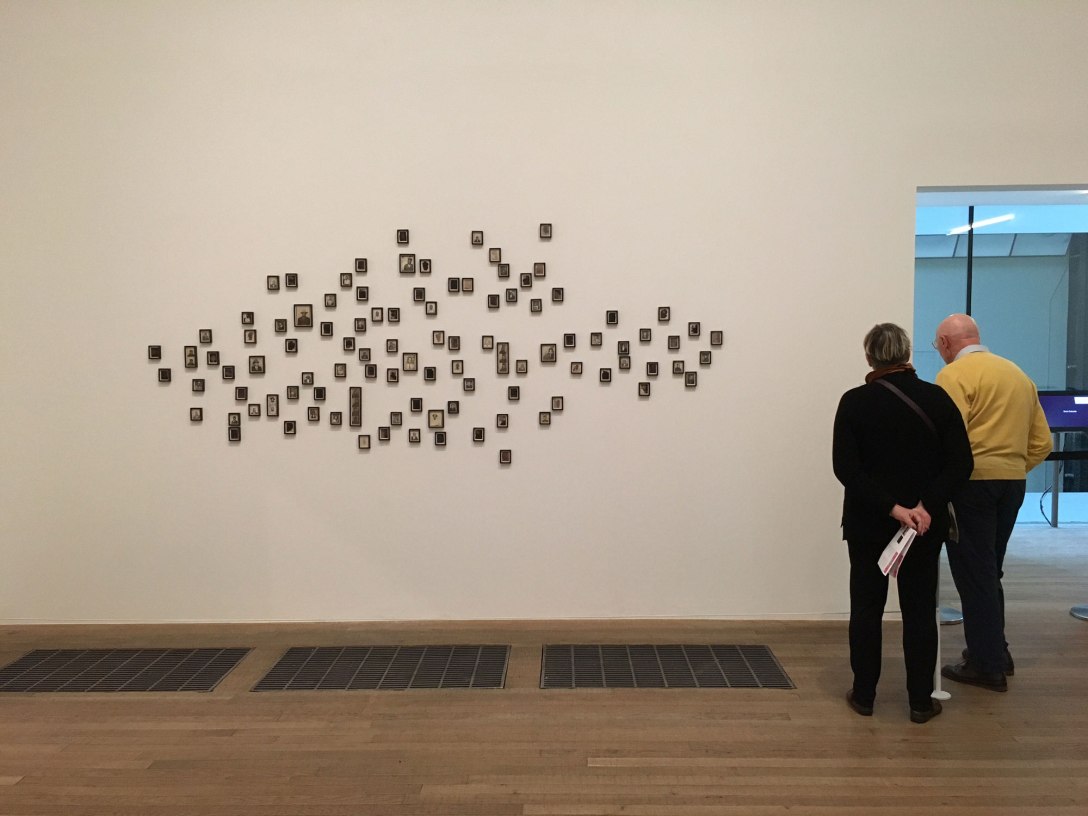
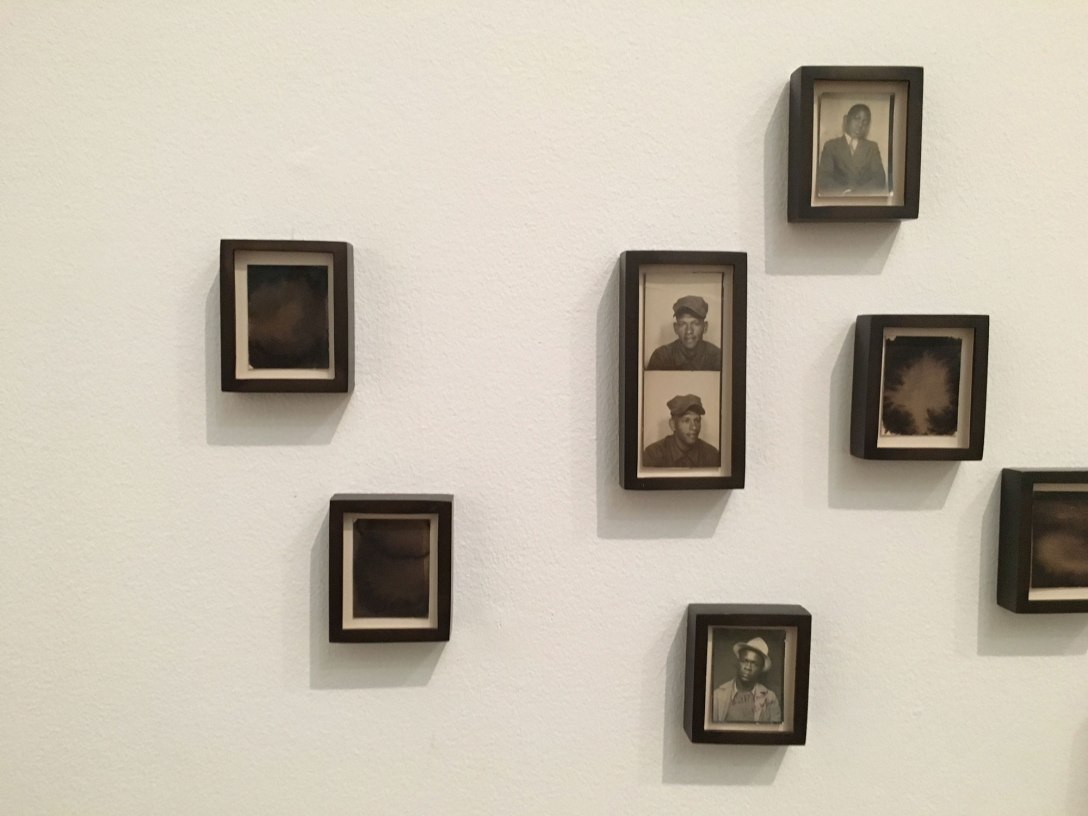
One of Lorna’s works I stood in front of for some time was a series of small photographs called Photo Booth (2008). It looks like it’s roughly arranged in the shape of the USA. Get in a bit closer and it becomes apparent that it’s made up of vintage photobooth photographs from the 1940s. All the photos feature black men and looking at the quality of the photographs from our Instgram-infused eyes, they do look pretty. But that’s kind of the point. The 1940s was a pretty shit time to be black in America, what with lynchings and segregation. And look even closer you notice some if the photos are not photos at all – they’re ghostly drawings; abstract, amorphous shapes that suggest someone was there once. What happened to them? Were they lynched? We’ll never know their story, but just as all the photos are grouped collectively to suggest the outline of the USA, each paints a very dark picture of the America dream. One that, on the surface is handsome and positive, but underneath is corrupted by discrimination – a message still painfully pertinent today. I found it extremely powerful.
In other news, it rained all morning and there were some spectacular views across the Thames from the windows of the Tate Modern.
 ZEFFADELICA